Table of Contents
ToggleSix-inch LED recessed lighting has become the go-to choice for homeowners and DIYers looking to modernize their spaces with clean, professional-looking illumination. Unlike older recessed fixtures, today’s 6-inch LED options deliver reliable brightness, energy savings, and design flexibility without the heat output of incandescent or halogen bulbs. Whether you’re retrofitting an existing ceiling or planning a new build, understanding how to choose, install, and design with 6 LED recessed lighting can transform a room’s functionality and aesthetic. This guide walks you through the essentials so you can tackle the project with confidence.
Key Takeaways
- 6 LED recessed lighting uses just 10–15 watts to produce brightness equivalent to 65–100-watt incandescent bulbs, cutting electricity costs from $30–40 annually per fixture down to $5–7.
- LED recessed lights last 25,000–50,000 hours (10–20 years), eliminating frequent bulb replacements and recouping higher upfront costs within 3–5 years through energy and maintenance savings.
- Retrofit housing is the easiest installation method for existing ceilings—homeowners can install 4–6 fixtures on an existing circuit by cutting holes, feeding the housing through, connecting wiring, and snapping in the trim ring.
- Color temperature matters for room function: warm white (2700K) suits bedrooms and living areas, while cool white (3000–4000K) works best for kitchens and task-lighting zones.
- Proper spacing and layout maximize design impact—space fixtures 4–6 feet apart for even general illumination, or cluster them above kitchen islands and accent walls for dramatic, layered lighting effects.
- Always turn off power at the breaker, use a voltage tester to confirm lines are dead, and seal gaps with fire-rated caulk to maintain your ceiling’s fire rating and air-seal integrity.
What Is 6-Inch LED Recessed Lighting and Why Choose It?
Six-inch LED recessed lighting refers to the diameter of the trim ring, the visible part that sits flush against your ceiling. The actual fixture body (called the housing) sits in the cavity above the drywall, with the LED light source embedded inside. This design keeps fixtures unobtrusive and delivers light downward into the room without the visual bulk of traditional surface-mounted or pendant fixtures.
The shift to LEDs has made this form factor practical for nearly any home. A typical 6-inch LED recessed light uses 10–15 watts and produces brightness equivalent to a 65–100-watt incandescent bulb, depending on color temperature and lumens. Because LEDs run cooler and don’t require thick thermal protection, they fit comfortably into standard ceiling cavities alongside insulation, something older halogen or incandescent fixtures couldn’t safely do.
Choosing 6-inch LED recessed lighting means opting for a scalable, energy-conscious solution that works in kitchens, living rooms, bathrooms, and bedrooms alike. The fixtures themselves are affordable, widely available, and easy to source in various color temperatures (warm white at 2700K to bright white at 5000K) and dimmable options.
Benefits of 6 LED Recessed Lights for Home Design
Energy Efficiency and Cost Savings
LED recessed fixtures consume significantly less electricity than incandescent or halogen equivalents. A modern 6-inch LED trim running 12 watts for 8 hours a day costs roughly $5–7 per year in electricity (at average US rates), compared to $30–40 for an old 75-watt incandescent in the same scenario. If you’re installing six fixtures in a kitchen or living room, that difference multiplies fast.
Beyond per-bulb savings, LEDs last 25,000–50,000 hours, often 10–20 years of normal home use. You won’t be on a ladder every season swapping burned-out bulbs, and you’ll avoid the labor cost of re-commissioning fixtures. Many homeowners recoup the slightly higher upfront cost of LED fixtures within 3–5 years through reduced electricity and maintenance bills.
Aesthetic Appeal and Versatile Design Integration
Recessed lights create a clean, intentional look because the trim sits flush with the ceiling and draws no attention to itself, unless you want it to. This makes them ideal in modern, minimalist, and contemporary spaces, but they work equally well in traditional homes when paired with the right color temperature.
Color temperature matters. Warm white (2700K) mimics incandescent bulbs and feels cozy in bedrooms, dining rooms, and living areas. Cool white (3000–4000K) suits kitchens and bathrooms where task lighting and clarity matter. Bright white (5000K) is less common in residential spaces but works in home offices or utility areas. Many LED recessed fixtures now offer dimmable options or smart bulbs, so you can adjust mood and intensity without hardwiring separate dimmer switches.
You can also play with spacing and layout. Six fixtures distributed evenly across a ceiling provide general illumination: clustering them over a kitchen island or accent wall adds drama. The recessed design means no hanging cords or bulky housings, your ceiling stays visually open.
Installation Basics for DIY Homeowners
Before you open the ceiling, verify your current framing. If you have a drop ceiling or accessible attic space above, installation is straightforward. If you’re working below a floor joist or in a plaster ceiling, plan for more prep and potentially reinforcing the opening.
Materials and Tools Needed:
- 6-inch LED recessed light housing kit (new construction or retrofit: retrofit is easier for existing ceilings)
- Drywall saw or hole saw (6¼–6½ inches for the trim ring)
- Voltage tester and wire strippers
- Wire connectors (22–12 gauge, depending on fixture spec)
- Drywall scraps or fire-rated caulk (to seal gaps)
- Safety glasses, gloves, and a dust mask
Basic Installation Steps:
- Turn off power at the breaker serving the circuit you’ll tap into. Use a voltage tester to confirm the lines are dead.
- Mark ceiling locations 4–6 feet apart for even light distribution. Check for obstructions (joists, pipes, ducts) using a stud finder or by probing from above.
- Cut openings using a drywall saw or hole saw. Clear debris and set aside drywall scraps for later patching if needed.
- Feed the housing into place. If it’s a retrofit can (the recommended type for existing ceilings), push it up through the hole and twist the mounting brackets to lock against the drywall.
- Connect wiring. Run wire from your power source to each fixture according to the housing’s wiring diagram. Strip ½ inch of insulation and use wire connectors rated for the gauge. Secure connections with a clockwise twist and tug test.
- Seal gaps around the housing with fire-rated caulk or gasket tape to maintain your ceiling’s fire rating and air-seal integrity.
- Insert the trim ring and bulb. Once drywall and finishing is complete, snap in the trim ring and install the LED bulb.
When to Call a Professional:
If you’re adding circuits beyond a simple daisy-chain from an existing light or outlet, hire an electrician. Permit requirements vary by jurisdiction, check local building codes. Structural work (cutting joists or moving large pipes) also warrants professional help. Most DIYers can handle 4–6 fixtures on an existing circuit, but anything beyond that or involving structural changes requires a licensed electrician.
Pro Tip: Retrofit cans are almost always easier than new construction cans for existing homes. They don’t require a frame or support from above, just a clean hole and access from the ceiling side.
Design Ideas for Different Room Types
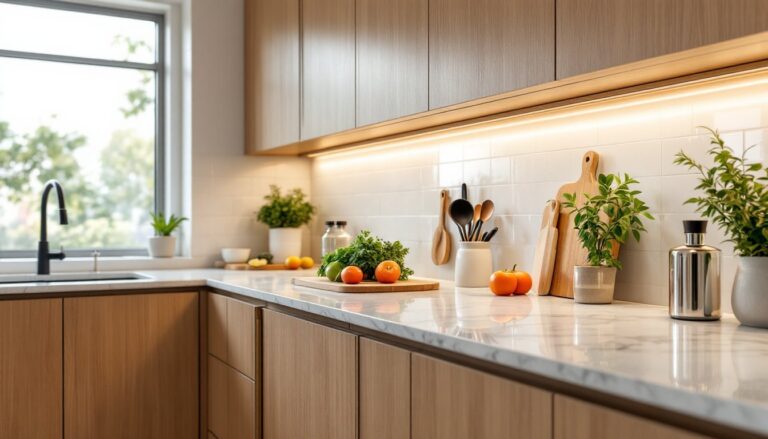
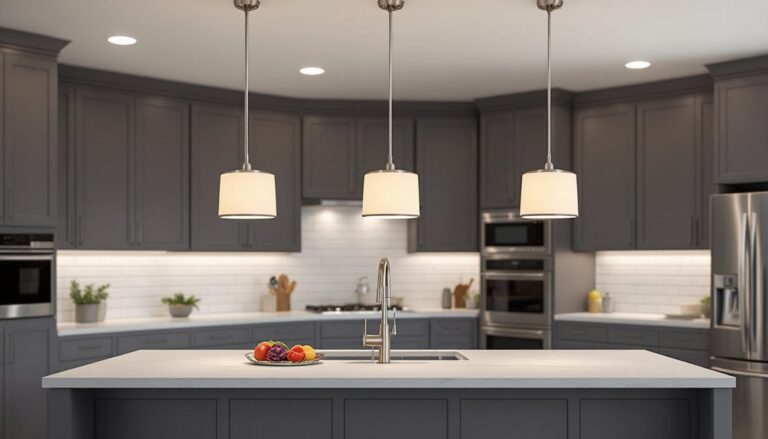
Kitchen: Install 6-inch fixtures on a 4-foot grid across the entire ceiling for consistent task lighting. Add a separate dimmer circuit above an island for layered lighting and mood control. Pair recessed lights with under-cabinet LED strips for prep-area brightness. Studies on best recessed lighting options show that many homeowners choose models with adjustable trim or reflector options to minimize glare on countertops.
Living Room or Bedroom: Use 5–6 fixtures spaced 6 feet apart for ambient light without over-illumination. Install them on a dimmer so you can dial back to 30–50% brightness in the evening. Warm white (2700K) bulbs create a relaxing environment. Avoid placing them directly above seating areas where they might create harsh shadows.
Bathroom: Recessed fixtures work well flanking a vanity mirror (one on each side, 24–36 inches out from the wall) to minimize shadows on the face. A couple of general-purpose fixtures in the center handle ambient light. Keep all fixtures at least 12 inches away from shower enclosures unless you buy wet-rated housings (they have gaskets and are NFPA-compliant for high-moisture zones).
Entryway or Hallway: A single line of 3–4 fixtures spaced 4 feet apart is plenty. Choose a cool-to-neutral white (3000–4000K) for clarity and safety. No need to dim: hallways benefit from steady, reliable light.
For detailed step-by-step guidance, many homeowners reference how to install recessed lighting resources that cover spacing calculations and wiring approaches. A comprehensive recessed lighting installation guide can also help you navigate the nuances of retrofit vs. new-construction scenarios in your specific home type.
Conclusion
Six-inch LED recessed lighting delivers modern, energy-conscious illumination that works across nearly every room type and design aesthetic. The combination of low power consumption, long lifespan, and visual flexibility makes it the smart choice for anyone retrofitting or building new. Start with a clear plan, mark your locations, confirm circuit capacity, and don’t skip safety steps, and you’ll have professional-quality lighting that enhances both function and style for years to come.