Table of Contents
ToggleOutdoor post lighting isn’t just a decorative addition, it’s the difference between a welcoming entrance and a dark, uninviting one. When homeowners think about curb appeal, they often picture fresh paint or landscaping, but effective post lighting sets the tone for your entire property, day or night. Beyond aesthetics, outdoor post lights serve critical safety and security functions, illuminating walkways and deterring intruders from entry points. Whether you’re installing your first post light or upgrading an aging fixture, understanding your options and the installation process makes the project straightforward and rewarding.
Key Takeaways
- Outdoor post lighting enhances both security and curb appeal by illuminating entry points, deterring intruders, and creating visual depth that ties your landscaping together at night.
- LED post lights are the modern standard, consuming a fraction of the energy of incandescent bulbs and lasting 25,000+ hours, making them the best choice for new installations despite higher upfront costs.
- Solar-powered outdoor post lighting offers easy installation without wiring, but is suitable only for accent lighting on walkways and patios, not for serious security work.
- Proper style and finish selection—matching your home’s architecture and choosing durable materials like stainless steel—ensures your post lights complement your property while resisting corrosion.
- DIY installation requires checking local electrical codes, using GFCI-protected circuits, and following safety protocols like turning off power and using a voltage tester to prevent dangerous mistakes.
- Quality outdoor post light fixtures last 10–15 years with minimal maintenance, while cheaper options often fail within 2–3 years due to water damage and corrosion.
Why Outdoor Post Lighting Matters for Your Home
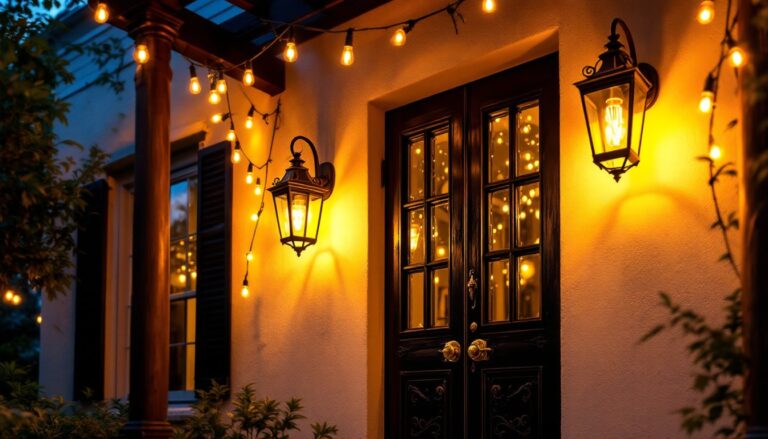
Outdoor post lighting functions as both a practical and aesthetic investment. A well-lit entrance signals that someone’s home and aware, one of the most effective deterrents against opportunistic break-ins. Security experts consistently note that inadequate exterior lighting is one of the top vulnerabilities in residential properties. Beyond safety, post lights extend your usable outdoor space into evening hours, making patios and walkways accessible and enjoyable year-round.
Post lights also anchor your home’s visual hierarchy at night. A quality fixture mounted on a column or fence post creates a focal point that ties together your landscaping and architectural features. Unlike overhead fixtures that wash everything in flat light, post-mounted lights at eye level create depth and shadow, adding sophistication to your exterior. This is why commercial properties and high-end homes invest heavily in layered outdoor lighting, it works.
Types of Outdoor Post Lights to Consider
Solar-Powered Options
Solar post lights have improved dramatically over the past few years. Modern units with lithium-ion batteries and efficient LED chips deliver several hours of light on a single charge, even in northern climates. Installation is nearly effortless, no wiring, no electrical code compliance needed. Just mount the fixture, ensure it receives direct sunlight during the day, and you’re done.
The trade-off? Solar lights aren’t bright enough for task lighting or serious security work. They’re ideal for accent lighting on a walkway, marking a fence line, or adding ambient glow to a patio. Expect to spend $30–$80 per fixture for quality models: the cheapest units ($5–$10) often fail within a season. Cloudy climates and heavy shade will underperform. For reliable security lighting, hardwired options remain the standard.
LED and Traditional Fixtures
LED post lights are the modern standard. They consume a fraction of the energy of incandescent bulbs, last 25,000+ hours (versus 1,000 for incandescent), and output consistent color temperature. A 10-watt LED post light produces brightness equivalent to a 60-watt incandescent, a significant energy savings over seasons. Most quality LED fixtures run $40–$150, plus installation labor if you’re hiring an electrician.
Traditional incandescent post lights are less expensive upfront ($20–$60) but cost more to operate and require frequent bulb replacements. Halogen fixtures occupy a middle ground, brighter and longer-lasting than incandescent, but less efficient than LED. For new installations, LED is the no-brainer choice. If you’re replacing an existing fixture, you can often retrofit it with an LED bulb, saving on the new fixture cost.
Choosing the Right Style for Your Home
Post light style should complement your home’s architecture, not fight it. A modern minimalist fixture clashes with a craftsman-style house: a rustic lantern looks out of place on a contemporary build. The best approach is to match the finish and design language of your front entry hardware, door hinges, house numbers, and existing sconces set the visual precedent.
Consider mounting height. Standard post lights sit 4–8 feet above grade. Lower mounts (4–5 feet) work for pathway accent lighting and walkways where you want pools of light rather than wide spread. Taller mounts (7–8 feet) on columns or gate posts throw light across larger areas and work better for security purposes. Check sight lines, a light mounted too low can blind approaching visitors or glare into windows.
Finish matters for durability. Stainless steel and powder-coated aluminum resist rust in salt-air climates: bare metal will corrode. Oil-rubbed bronze and dark finishes hide dirt and weathering better than bright brass or chrome. Warm white (2700K) light feels residential and welcoming: cool white (4000K–5000K) delivers a security-focused, commercial look. Homeowners often choose warm white for front entries and cooler tones for security-critical side yards or back entrances. Test color temperature during the evening before committing, it’s harder to judge during the day.
Installation Tips for DIY Success
Before you start: Check local electrical codes. Outdoor lighting circuits typically require GFCI (ground fault circuit interrupter) protection per the National Electrical Code (NEC), and some jurisdictions require a permit for any new exterior electrical work. Contact your local building department, a $50 permit saves major headaches if you ever sell.
Materials and tools you’ll need:
- Post light fixture and bulb
- 12-2 or 14-2 outdoor-rated cable (depending on circuit capacity)
- GFCI-protected circuit or outlet
- Conduit, wire connectors, and weatherproof electrical box
- Drill, screwdriver set, voltage tester
- Wire strippers and crimper
- Safety gear: Work gloves, eye protection, and ear protection if cutting conduit
Step-by-step installation:
- Turn off power at the breaker and verify the circuit is dead with a voltage tester. This is non-negotiable.
- Mount the fixture to the post or column using the provided hardware. Pre-drill holes to prevent wood splitting if mounting to wood posts.
- Run outdoor-rated cable from your power source through conduit to the fixture location. Bury underground runs at least 18 inches deep or use conduit for above-ground runs.
- Connect the fixture’s wires to the power source inside a weatherproof electrical box. Match white to white, black to black, and bare copper (ground) to ground.
- Seal all connections with wire nuts rated for outdoor use and apply silicone caulk around conduit entries.
- Install the bulb and diffuser, then restore power and test.
If the power source is more than 50 feet away, consider running a dedicated circuit from the breaker panel, running power through existing circuits risks overload. Hardwiring post lights typically costs $150–$400 in labor if hiring an electrician: the work isn’t complex, but mistakes are expensive and potentially dangerous.
Maintenance and Longevity
LED post lights require minimal maintenance compared to older technology. Check connections annually, especially after winter or heavy rain, and tighten any loose hardware. Moisture is the enemy, water inside the fixture shortens bulb life and corrodes contacts.
Cleaning: Wipe fixtures with a soft cloth quarterly. In salty or coastal climates, rinse with fresh water monthly. For stubborn buildup, a mixture of equal parts white vinegar and water works safely on most finishes, test on a hidden area first.
Replacement: LED bulbs last 15–20 years in typical use. When they do fail, swap them out immediately: a dark entrance is a security vulnerability. Keep spare bulbs on hand, especially for fixtures you rely on nightly.
Solar fixtures need seasonal attention. Clean the panel surface twice yearly to maximize charging efficiency, and replace batteries every 3–5 years as they lose capacity. Hardwired systems rarely need professional service beyond an electrician’s annual inspection if you want peace of mind.
Post lights anchored in soil should be checked annually for movement, especially in freeze-thaw climates. Frost heave can shift posts. Security lighting for your home plays a role in overall property protection, so invest in fixtures that will perform reliably. Quality fixtures with weatherproof seals and stainless-steel hardware last 10–15 years before needing replacement. Cheap fixtures often fail within 2–3 years due to corrosion and water damage. Family Handyman’s guides offer detailed troubleshooting if you encounter wiring issues, and HomeAdvisor’s installation cost data helps you budget if outsourcing labor. The long-term investment in durable post lighting pays dividends in safety, curb appeal, and home value. Don’t skimp on the fixture itself, it’s the most visible and permanent part of your installation.