Table of Contents
ToggleA deck is only as functional as its lighting. Without it, that beautiful outdoor space you invested in becomes unusable after sunset, and honestly, that’s a shame. Deck lighting kits have evolved significantly, moving well beyond basic utility. Today’s options blend safety, ambiance, and ease of installation, making it realistic for DIYers to add professional-quality lighting without hiring an electrician. Whether you’re aiming for dramatic accent lighting, ambient glow, or practical task lighting for entertaining, the right deck lighting kit transforms how you use your outdoor living space year-round.
Key Takeaways
- Deck lighting kits extend your outdoor living season by improving safety, ambiance, and entertaining capacity after sunset.
- Modern low-voltage deck lighting kits (12V or 24V) are DIY-friendly, cost-effective, and typically don’t require permits or a licensed electrician to install.
- Choose between post cap lights, rail-mounted fixtures, and string lights based on your priorities—task lighting for safety, mood lighting for entertaining, or accent lighting for visual drama.
- Proper installation requires careful planning: measure your deck dimensions, clean surfaces thoroughly, verify wiring connections before sealing, and ensure all anchor hardware is rated for outdoor use.
- LED deck lighting kits significantly reduce energy consumption compared to incandescent alternatives while offering smart controls, dimmers, and motion sensor compatibility for enhanced functionality and security.
Why Deck Lighting Kits Are Game-Changers for Outdoor Living
Deck lighting isn’t just about seeing what you’re doing once the sun drops, it’s about extending your season and maximizing the space. A well-lit deck invites lingering conversations, makes entertaining guests safer, and deters unwanted visitors by illuminating dark corners. Most modern kits are low-voltage systems running on 12V or 24V power, which means they’re much safer than standard 110V exterior circuits and don’t typically require a permit or licensed electrician to install.
The financial argument is solid too. LED deck lighting kits consume far less energy than incandescent or halogen alternatives, cutting your outdoor lighting costs significantly over a season. Many kits also come with dimmer controls or smart home compatibility, letting you adjust brightness and color temperature to match the mood or time of night. For security, proper deck lighting paired with motion sensors creates a perimeter that discourages trespassing while keeping your family safe during evening gatherings.
Installation is where these kits really shine. Unlike traditional hardwired outdoor lighting, which demands running conduit, dealing with junction boxes, and navigating electrical codes, most deck lighting kits are designed for plug-and-play simplicity. You’re not trench-digging. You’re not breaking concrete. On a Saturday morning, you can install enough lighting to dramatically change how your deck feels and functions.
Types of Deck Lighting Kits: Find the Right Fit for Your Space
Not all deck lighting serves the same purpose, and your choice depends on what you want to accomplish. Are you prioritizing safety and visibility, creating mood lighting for entertaining, or securing the perimeter? The answer shapes which kit type makes sense for your deck.
LED Post Lights and Rail Kits
Post cap lights and rail-mounted fixtures are the workhorse of deck lighting. A post cap light sits flush on top of a 4×4 or 6×6 deck post and casts downward light, eliminating tripping hazards and creating layers of illumination across the deck surface. Most kits include fixtures for 6 to 12 posts, depending on deck size, with wiring that runs along the underside of the deck or through the posts themselves.
Rail lights function similarly but mount directly into the top or side of deck railing. This approach is cleaner aesthetically, especially on smaller decks where you don’t want lights competing with sight lines. Stainless steel or powder-coated aluminum housings resist rust and weather, while tempered glass or polycarbonate lenses handle temperature swings without cracking. Look for fixtures rated IP65 or higher for water resistance, meaning they’ll tolerate rain, snow, and humidity without corroding.
Most post and rail kits run between $150 and $400 for a basic setup of 8–12 lights, depending on material quality and whether you’re upgrading to color-changing RGB options. Solar variants exist but deliver inconsistent brightness on cloudy days: hardwired or plug-in low-voltage kits are more reliable for consistent illumination.
String Lights and Overhead Options
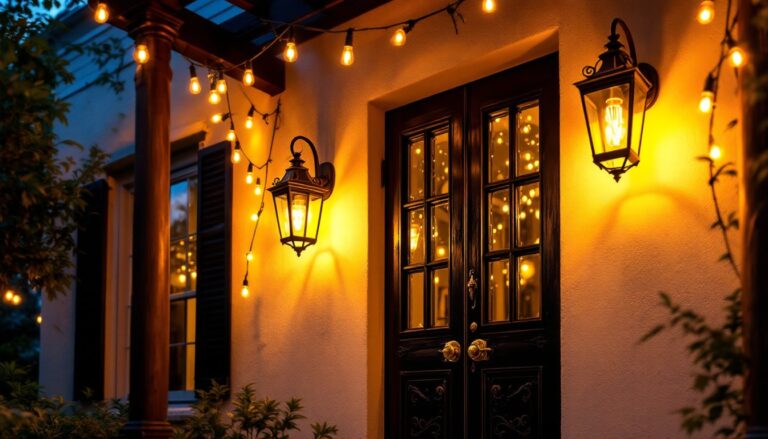
String lights create ambient mood and work brilliantly for entertaining. Cafe-style lights strung overhead or along the deck’s edge soften the atmosphere while still providing functional light for movement. These typically come in 25–50 foot runs and feature Edison-style LED bulbs that mimic warm incandescent glow without the heat or power draw.
When hanging string lights, you’ll need sturdy anchor points, either deck posts, overhead structures, or rope runs attached to trees or walls. The Home Depot Overhead Lighting selection includes ready-made frames and kits that simplify this process for DIYers. Always ensure anchor points can handle the weight and wind load: a commercial-grade string light weighs more than you’d think when fully deployed.
Spot lights and directional accent fixtures round out overhead options. These mount beneath deck overhangs or rafters and wash walls or landscaping with light, creating depth and drama. Most overhead kits require 120V power and do need a properly grounded outdoor circuit, this isn’t a DIY electrical job if you’re running new lines. But, if you have an existing deck outlet, plugging in a string light kit is straightforward.
Installation Tips for DIY Success
Before you buy anything, assess what you already have. Walk your deck at dusk and identify problem areas: steps where people stumble, dark corners where tripping hazards hide, and sightlines you want to preserve. This shapes your kit choice and prevents expensive mistakes.
Measure twice, order once. Deck dimensions matter. A 12×16-foot deck needs different lighting than a 20×24-foot structure. Count your posts, measure railing lengths, and verify available anchor points for overhead fixtures. Most kit descriptions specify coverage area in square feet, use that as a baseline, then add 20–30% more light than you think you need. Outdoor spaces always feel darker at night than during the day.
For low-voltage post and rail lights, installation typically follows this sequence:
- Prep the surfaces. Clean post tops and railing surfaces with a damp cloth and let them dry completely. Dirt or grime prevents secure adhesive bonding and corrodes electrical connections over time.
- Lay out the wiring route. Plan where transformer and low-voltage cable will run, usually under the deck or through interior post cavities. Mark this path with chalk so you don’t accidentally cut it during future maintenance.
- Mount fixtures according to kit instructions. Most use stainless steel fasteners and weather-resistant silicone sealant. Over-tightening screws cracks housing: hand-snug is usually sufficient.
- Wire fixtures in series or parallel depending on your kit design. Low-voltage kits often provide this diagram clearly, follow it exactly. A miswired circuit won’t damage fixtures, but they won’t light either.
- Test the system before final sealing. Plug in the transformer and verify all lights illuminate at full brightness. This is your moment to catch wiring mistakes, not after you’ve sealed everything with sealant.
For string lights and overhead fixtures, consider these tips:
- Ensure anchor hardware is rated for outdoor use. Eye bolts, carabiners, and tensioners should be stainless steel or galvanized. Cheap hardware corrodes and fails, especially near the ocean.
- Maintain proper sag and tension. String lights shouldn’t hang perfectly taut, they need about 2–3 degrees of sag per 10 feet to absorb wind and temperature movement without snapping.
- Use weatherproof junction boxes if hardwiring to an existing 120V outdoor circuit. Don’t bury connections in deck structure where moisture accelerates corrosion.
Safety considerations apply everywhere. Wear safety glasses when drilling or fastening overhead, nitrile gloves when handling electrical connections, and a dust mask if sanding old wood where you’re mounting fixtures. Wet wood and water create electrical hazards, never install lights during or immediately after rain. If your deck is older and you’re unsure about structural integrity around posts or rafters, consult a structural engineer before mounting heavy fixtures overhead.
About permits: low-voltage lighting kits rarely require one, but check your local jurisdiction. Some areas mandate permits for any outdoor lighting, even solar. Hardwired 120V installations typically do need permits and inspection, especially if you’re extending existing circuits. This isn’t a shortcut to skip, inspectors catch fire hazards and improper grounding that DIYers often miss. Reference Bob Vila’s home improvement guides and Popular Mechanics project tutorials for detailed electrical instruction if you’re tackling hardwired work.
Maintenance is minimal but essential. Clean light fixtures seasonally, especially after storms or high pollen seasons. Check fasteners for corrosion, and replace corroded hardware immediately, small problems compound into failures. LED bulbs last years, but power supplies and transformers degrade, so buy kits with warranty coverage on electrical components.
Conclusion
A quality deck lighting kit transforms your outdoor space from sunset afterthought into a functional, inviting extension of your home. Choose the right type for your needs, measure carefully, follow installation instructions exactly, and don’t skip safety steps. Your nighttime deck will thank you, and so will your guests.